Stay safe and secure during camping
Le 2025-06-05


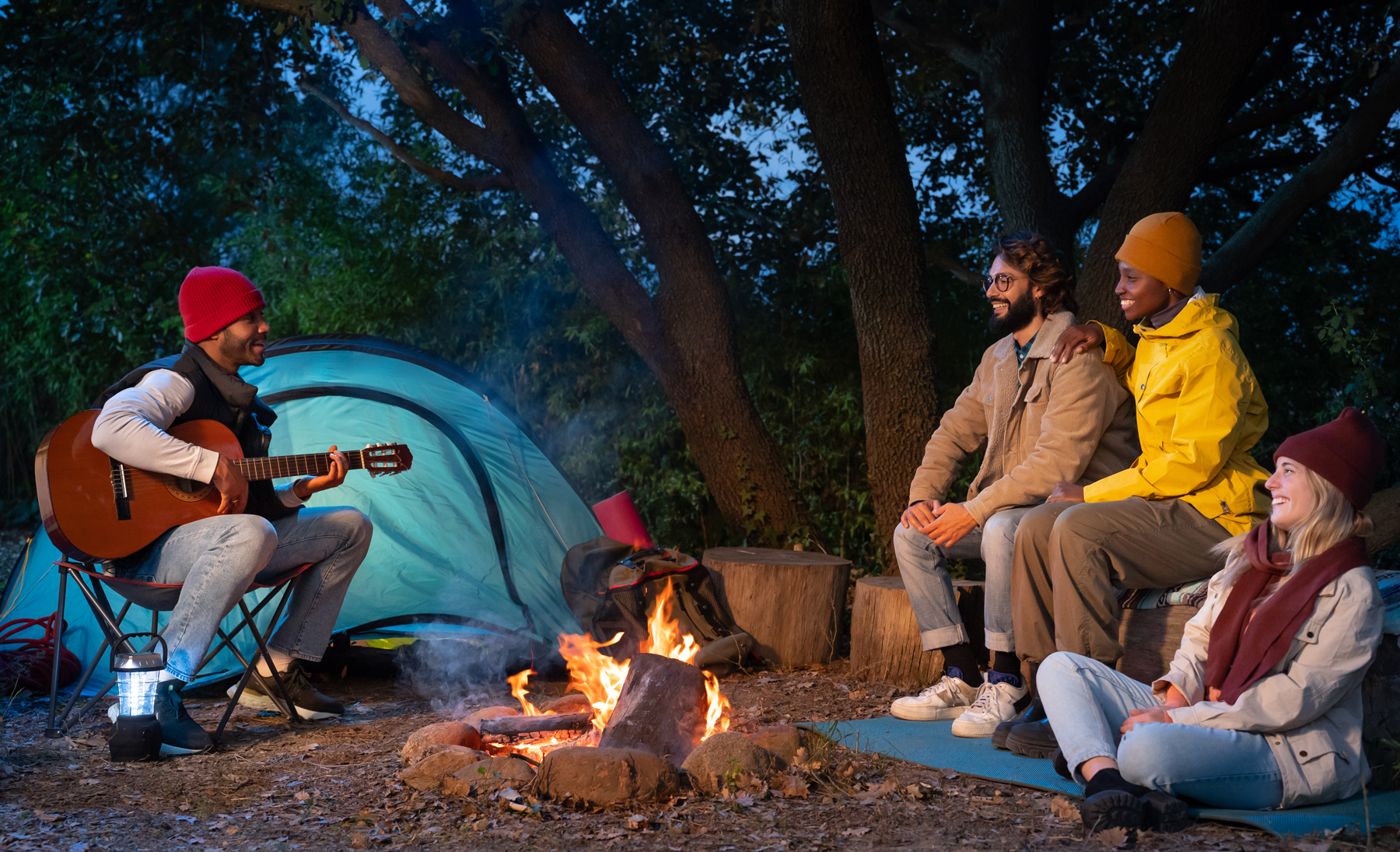
Camping is a popular activity for reconnecting with nature and escaping the stresses of everyday life. However, to ensure this experience remains enjoyable, it is essential to take certain precautions. Here is a complete guide to prevent risks and fully enjoy your outdoor getaway.
Before you leave, research the campsite: availability of drinking water, restroom facilities, campfire regulations, etc. Make sure the site is suitable for your experience level and specific needs.
Check the weather forecast for your intended time of year. Avoid camping during extreme conditions and be prepared for sudden changes in weather.
Bring a first aid kit containing bandages, antiseptics, basic medications, insect repellent, sunscreen, and any other necessary items based on your personal needs.
Store your food in airtight containers to avoid contamination and attracting animals. Separate raw and cooked foods and maintain the cold chain. KOA
If you use water from natural sources, make sure it is treated properly: boiling, portable filters, or purification tablets.
Drink regularly, even if you are not thirsty, especially in hot weather or during intense physical activity. Avoid alcoholic or caffeinated beverages, which can promote dehydration.
Apply a repellent containing DEET or icaridin to exposed areas of skin. Wear long, light-colored clothing to minimize bites.
Check your body and clothing for ticks or other insects. If bitten, carefully remove the insect and disinfect the area.
Do not feed wildlife and keep a safe distance. Store your food and garbage in sturdy containers to avoid attracting animals.
Use designated areas and keep the fire away from tents, trees, and other flammable materials. Always keep water nearby to extinguish the fire in case of an emergency.
Before leaving the site or sleeping, ensure the fire is completely out. Water thoroughly and stir the ashes until they are cool to the touch.
Wash your hands regularly, especially before eating or after using the bathroom. Use biodegradable soap and water or hand sanitizer.
Make sure your vaccinations are up to date, especially for tetanus. If you are prone to allergies, bring your medication and inform your companions of any potential reactions.
Camping is a rewarding activity that allows you to reconnect with nature. By taking the appropriate preventive measures, you can ensure your safety and that of your companions. Prepare carefully, respect the environment, and be vigilant to fully enjoy your stay.



