Keep your parties safe: prevent communicable infections
Le 2025-12-10


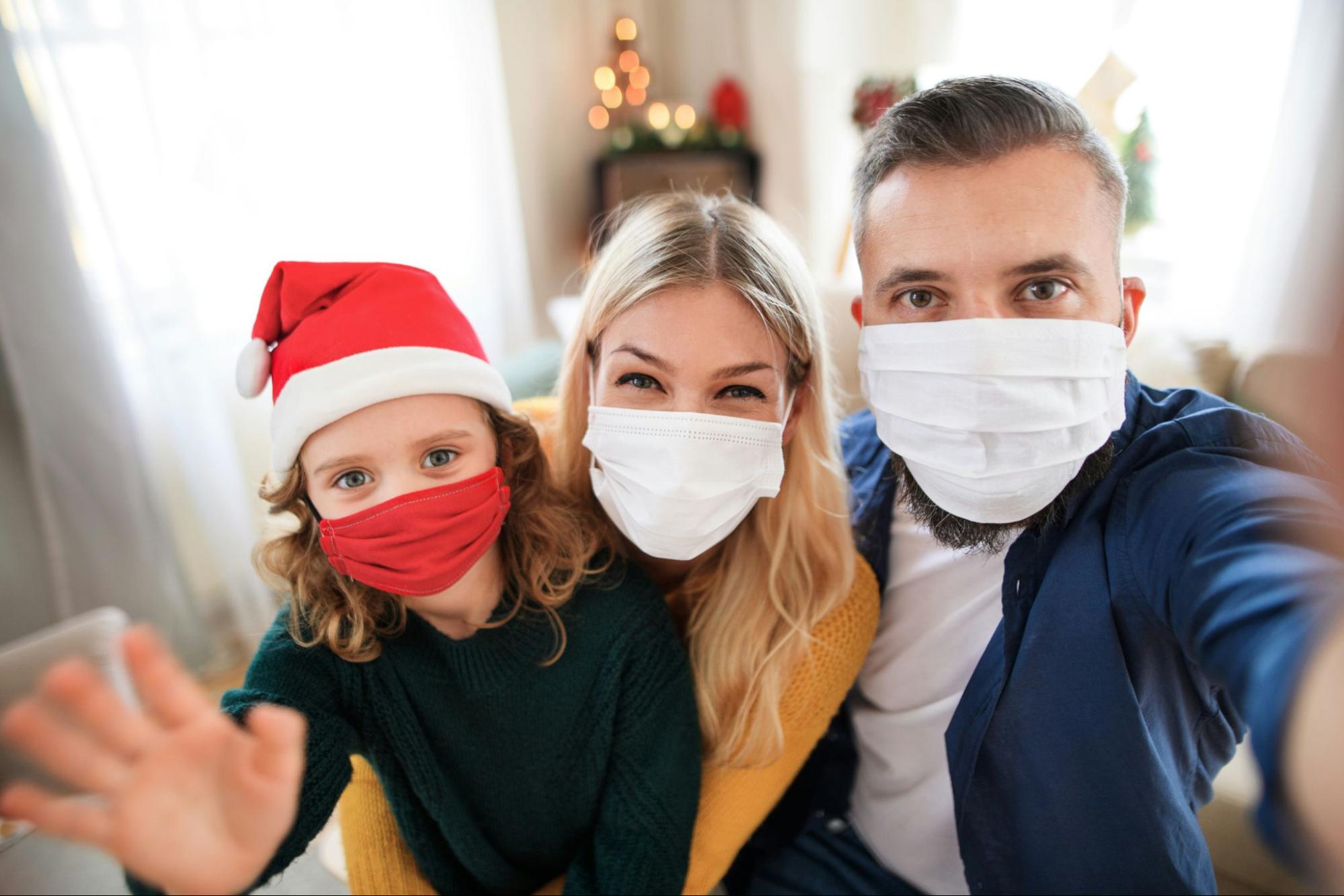
The holiday season is approaching, along with the long-awaited family gatherings. To keep these moments joyful and safe, here are the prevention measures to adopt:
The holiday season means joy, reunions, and family celebrations. However, this festive period also coincides with a significant increase in virus circulation. Frequent gatherings and enclosed spaces promote the spread of microbes that can turn your celebrations into days of recovery.
Fortunately, a few simple prevention steps are enough to protect your health and that of your loved ones. By adopting the right habits now, you’ll be able to enjoy every moment together without worry.
During the holiday period, viruses such as influenza circulate much more actively. Gatherings in enclosed, crowded, and poorly ventilated spaces create ideal conditions for rapid infection transmission.
This situation particularly endangers vulnerable individuals — such as seniors, young children, and those with weakened immune systems — who are at risk of serious complications. Understanding how these infections spread is your first line of defense to effectively protect your family’s health.
Physical closeness during celebrations greatly increases virus spread. Warm hugs, cheek kisses, and handshakes are all forms of transmission. A guest may be sick without knowing it and infect several people within hours.
Beyond direct contact, microbes also travel through respiratory droplets released into the air when we cough, sneeze, or even speak. These microscopic droplets can be inhaled by others or land on surfaces. The cold virus, for example, can survive up to seven days on certain objects. This is why handwashing after touching common surfaces is crucial.
Here are the main transmission modes to watch for during gatherings:
The holiday season changes daily habits. You spend more time indoors, often in small spaces with limited air circulation. This prolonged closeness gives microbes ideal conditions to spread quickly from person to person.
It’s no coincidence that clinics consistently see a spike in flu, gastroenteritis, and respiratory infections right after New Year’s. Fatigue and holiday-related stress also weaken your immune system, making you more vulnerable to circulating viruses.
Slowing virus transmission doesn’t require extraordinary effort. Simple actions, repeated consistently by all participants, can significantly reduce risks during gatherings. Handwashing remains the single most effective basic measure, recognized by all public health experts.
Other practical tips complement this protection. Together, these habits allow you to take care of one another without dampening the festive mood. To learn more about holiday prevention, see our safety and first aid tips.
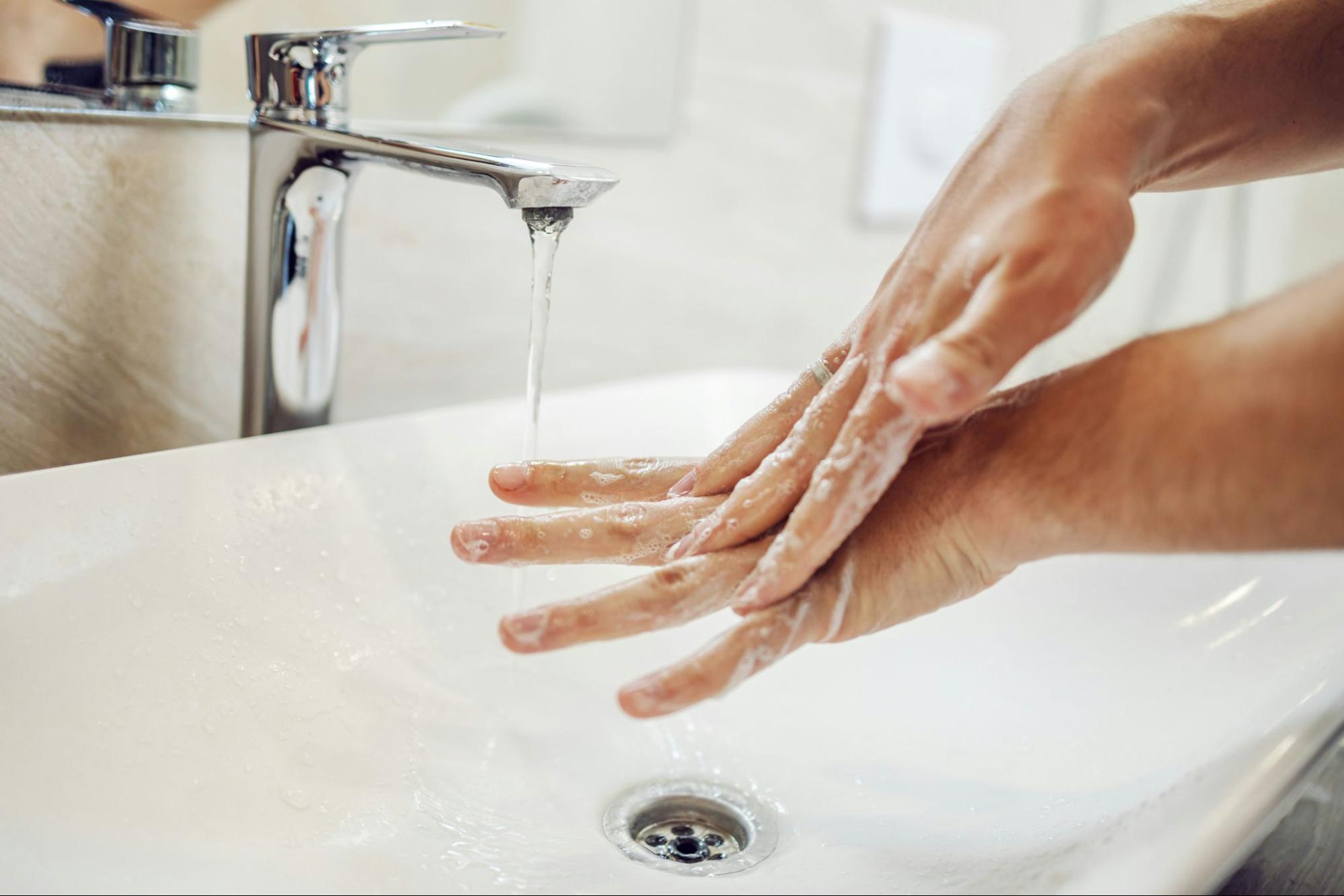
Handwashing is a fundamental protective measure, especially during holiday meals where contact and sharing are frequent. Scrubbing your hands with soap and water for at least 20 seconds removes the vast majority of microbes.
If a sink is not immediately available, alcohol-based hand sanitizer is your best option. Keep a small bottle close by and use it after touching public surfaces or shaking hands. This simple action is remarkably effective.
Remember to wash your hands at these key moments:
Each time you cough or sneeze, you release thousands of microbe-filled droplets into your immediate environment. To avoid contaminating the air and surrounding surfaces, always cover your mouth and nose.
Ideally, use a disposable tissue and throw it away immediately. If none is available, the proper reflex is to cough or sneeze into your elbow rather than your hands, which touch many objects afterward.
After every cough or sneeze, handwashing is essential. Here’s what to do:
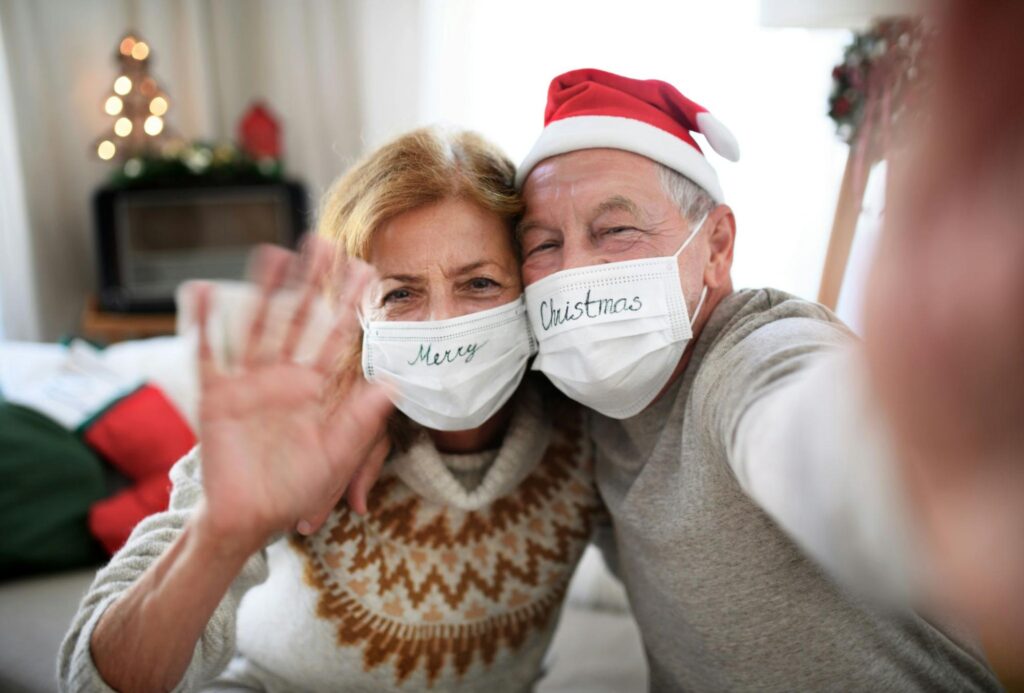
Wearing a mask is a considerate prevention tool, especially if you have respiratory symptoms. Even though isolation is no longer mandatory in Quebec, wearing a mask in the presence of others remains a responsible gesture to protect those around you.
If you are sick or suspect infection, the mask effectively limits the spread of respiratory droplets. It is especially recommended in enclosed spaces and when in contact with vulnerable individuals. Here’s when mask use becomes essential.
Ideally, no. If symptoms appear — even mild ones — the best choice is to stay home to rest and avoid spreading illness. A simple sore throat or runny nose may indicate a contagious infection, even without fever.
However, if you absolutely cannot cancel your attendance, wearing a mask becomes essential. It acts as a physical barrier that traps your droplets and protects others, especially the most vulnerable.
Pay close attention to these warning signs that should prompt maximum caution:
In these situations, if you must go out, a mask is your best ally to limit transmission risks. Don’t hesitate to consult our health programs for personalized advice.
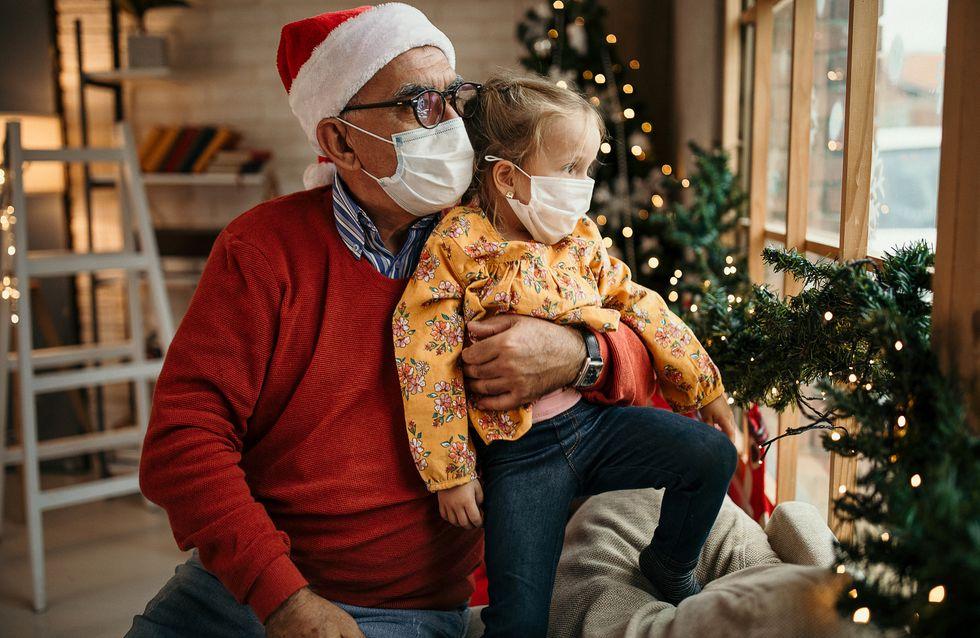
Keeping your holiday gatherings safe from transmissible infections doesn’t require major sacrifices — only increased attention to prevention habits. By adopting habits such as frequent handwashing, wearing a mask when appropriate, and taking precautions around vulnerable individuals, you create a festive environment where everyone can celebrate with peace of mind.
Remember that collective prevention is the key to fully enjoying every moment together, without compromising anyone’s health. Take care of yourself, look out for one another, and enjoy wonderful celebrations surrounded by those you love.
Yes, absolutely. Regularly airing your home helps renew the air and significantly reduce the concentration of airborne microbes. Opening windows for about ten minutes every hour creates a dilution effect that lowers virus transmission risks among guests. Even during the cold Quebec winter, these brief ventilation periods make a real difference without fully cooling your space.
Certain symptoms are clear warning signs and mean you should stay home: fever, widespread body aches, severe sore throat, intense cough, or strong overall discomfort. If you experience any of these, it’s strongly recommended to stay home to rest and avoid infecting your loved ones. Your presence at a party is never more important than collective health.
To share food safely, avoid using the same glasses or utensils between several people. Encourage everyone to wash their hands before serving themselves. Ideally, provide separate serving utensils for each dish so no one touches the food directly. This simple precaution greatly reduces the risk of gastroenteritis during gatherings.
Yes, proper ventilation is one of the most effective ways to reduce infection transmission. Renewing the air removes accumulated microbes, including viruses like influenza, which spread especially well in enclosed and poorly ventilated spaces. Opening windows regularly reduces viral load in the air and creates a healthier environment for all guests.
If you have cold symptoms, even mild ones, wearing a mask at a gathering is a respectful gesture toward other attendees. Even if you feel relatively fine, these symptoms indicate you may be contagious. The mask limits the spread of respiratory droplets and is especially protective for vulnerable individuals. Ideally, staying home remains the best option.



