Defect one plaie: the bones are all over the age
Le 2026-05-13


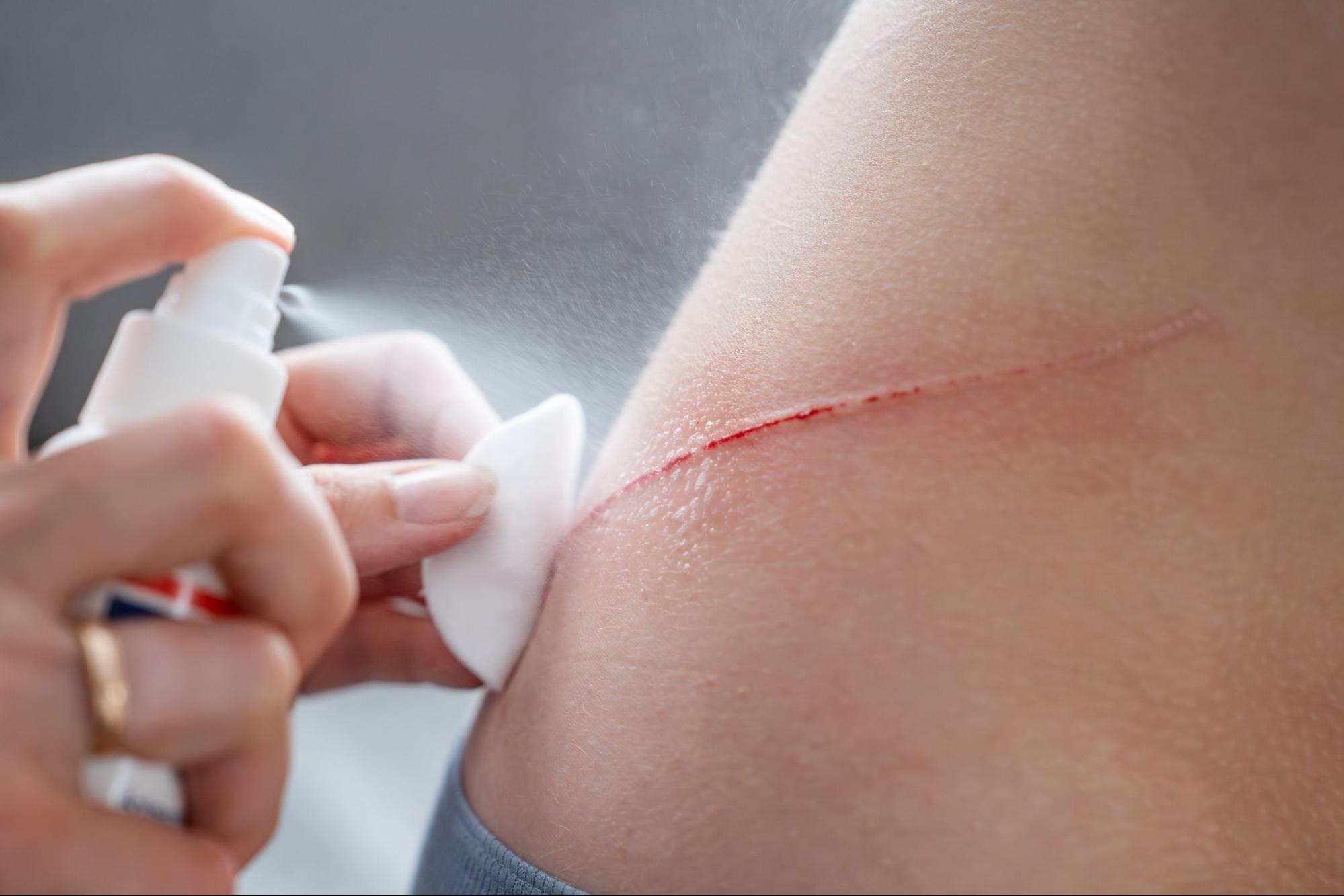
A scraped knee, a cut in the kitchen, a scrape after a fall. These everyday accidents may seem harmless. However, a poorly cleaned wound can develop into an infection, sometimes a serious one. Properly disinfecting a wound does not require medical equipment or special training. You simply need to know the right steps and apply them consistently, regardless of the injured person’s age.
When the skin is broken, bacteria present in the environment can enter and cause an infection. Without proper cleaning, this infection can spread and lead to complications such as an abscess or infectious cellulitis.
This risk applies to everyone. However, it is greater in children, whose immune systems are still developing, and in older adults or people with diabetes, whose healing process is often slower. Acting quickly and properly significantly reduces this risk.
It is not always easy to know whether a wound has been properly cleaned. The first signs of infection often appear within the next 24 to 48 hours, which highlights the importance of acting immediately rather than waiting to see how things evolve.
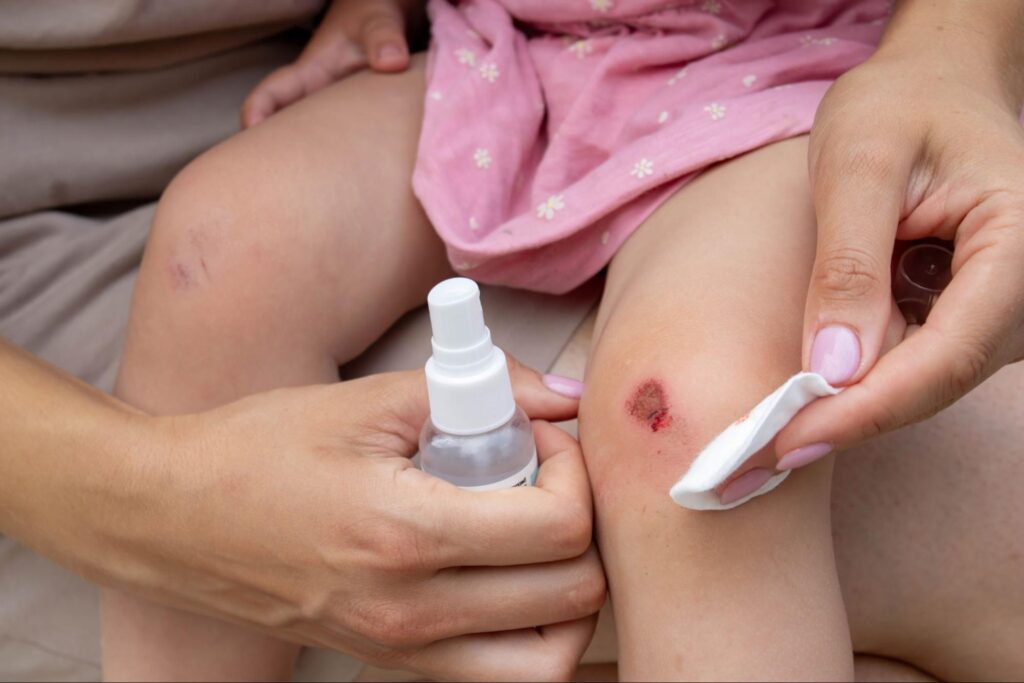
Before touching the wound, wash your hands with soap. This step prevents introducing new bacteria into an already vulnerable area.
Next comes rinsing: run the wound under running water for 5 minutes while removing visible debris such as dirt or gravel. This is the most important step for eliminating microorganisms present in the wound. Then clean the surrounding area with a mild unscented soap, without scrubbing directly inside the wound.
Next, apply a suitable antiseptic such as chlorhexidine. Pure alcohol and hydrogen peroxide are not recommended: they damage healthy cells and delay healing. Finish by applying a clean bandage suited to the size of the wound, and change it at least once a day or whenever it becomes dirty.
Children are often afraid that treatment will hurt, and this resistance may push a parent to rush through the steps. This is a mistake to avoid, even if the child cries or protests. Incomplete cleaning leaves the door open to infection, no matter how small the injury may seem.
A few adjustments can make care easier to accept :
| Situation | What it may mean | What to do |
| Redness, warmth, swelling | Beginning of an infection | Consult a healthcare professional |
| Pus or yellowish discharge | Active infection | Urgent medical consultation |
| Fever after the injury | Infection spreading | Go to a clinic or emergency room |
| Deep or gaping wound | May require stitches | Medical consultation |
| Injury caused by a rusty object or an animal | Risk of tetanus or infection | Seek medical attention quickly |
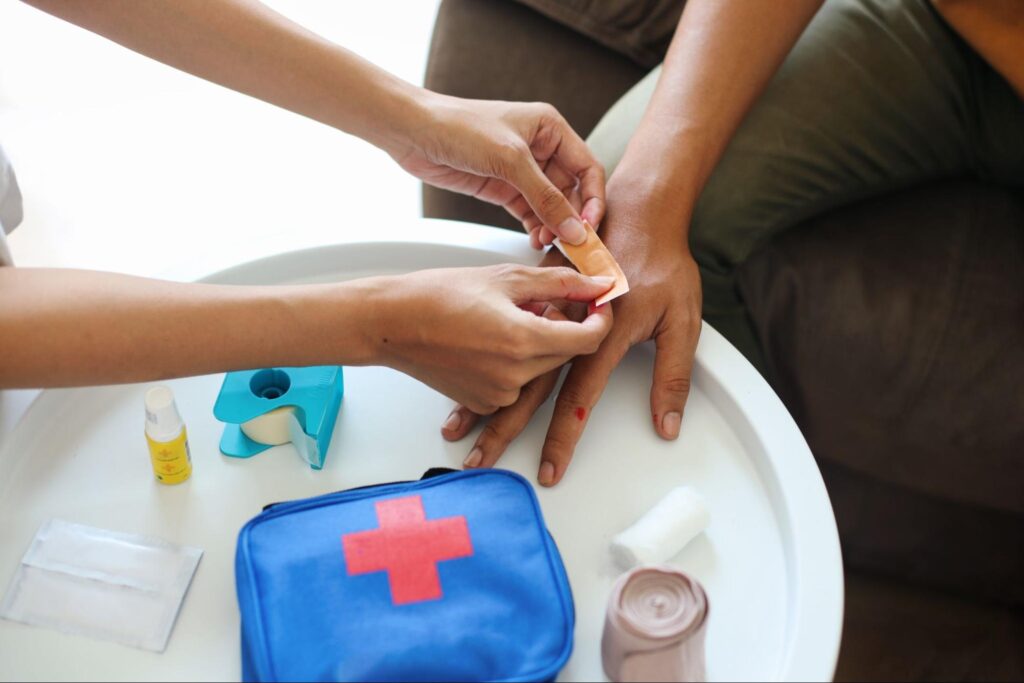
If a wound has just occurred, act as quickly as possible : rinse thoroughly, clean the area, apply an antiseptic, and cover it.
For a small, clean, and shallow wound, monitor its progress over the next 48 hours. Mild tenderness is normal. If redness spreads, pain increases, or the wound begins to ooze, medical attention is necessary.
For a deep wound, one caused by a rusty object or by a bite, prompt medical attention is recommended. It may be necessary to verify tetanus vaccination status. According to the Government of Quebec, a booster shot may be recommended depending on the nature of the injury.
The best way to avoid infection is to react quickly and properly. A few simple habits can help :
Proper cleaning makes the difference between a wound that heals well and one that becomes infected. By following the right steps from the beginning, you encourage natural healing without complications, for both children and adults. And when in doubt about the condition of a wound, it is always better to seek medical advice sooner rather than later.
If you have questions about first aid courses, our team is available to answer you and direct you toward the appropriate training programs.
Contact us and we will be happy to help you.
Not necessarily, but covering a wound protects it from bacteria and prevents irritation. For active children or wounds located on the hands, a bandage is still strongly recommended, even for an apparently superficial injury.
Low-concentration alcohol is less harsh than pure alcohol, but it still irritates tissues. An antiseptic such as chlorhexidine is better tolerated and just as effective for regular home use.
If the wound is superficial and bleeding is minimal, normal cleaning is sufficient. Medical attention is recommended if the wound is deep, if the edges are separating, or if it is located near the eyes or another sensitive area.
Watch for the following signs within 48 to 72 hours : redness spreading around the wound, swelling, warmth, increasing pain, or yellowish discharge. The appearance of fever is also a warning sign that should be taken seriously.
Yes. A scab is a natural protective layer formed by the body during healing, and it should not be picked off. Removing it too early can reopen the wound, increase the risk of infection, and leave a more noticeable scar than would otherwise occur.



