General first aid and CPR or emergency first aid and CPR: how to choose
Le 2026-06-15


You want to learn first aid, but two course titles seem similar and you are unsure which one to choose: the General First Aid and CPR course, and the Emergency First Aid and CPR course. The names are similar, but the content and purpose are different. This article simply explains what sets them apart, so you can choose with confidence.
The two training courses teach the same basic skills: assessing a situation, calling for help, and taking action. The main difference lies in the depth of the training. The Emergency course focuses on situations that immediately threaten life, such as cardiac arrest or choking. The General course includes all of that and then adds many common situations that can happen at home or at work. Think of them as two levels of the same skill set: one focuses on the essentials, while the other covers a broader range of incidents.
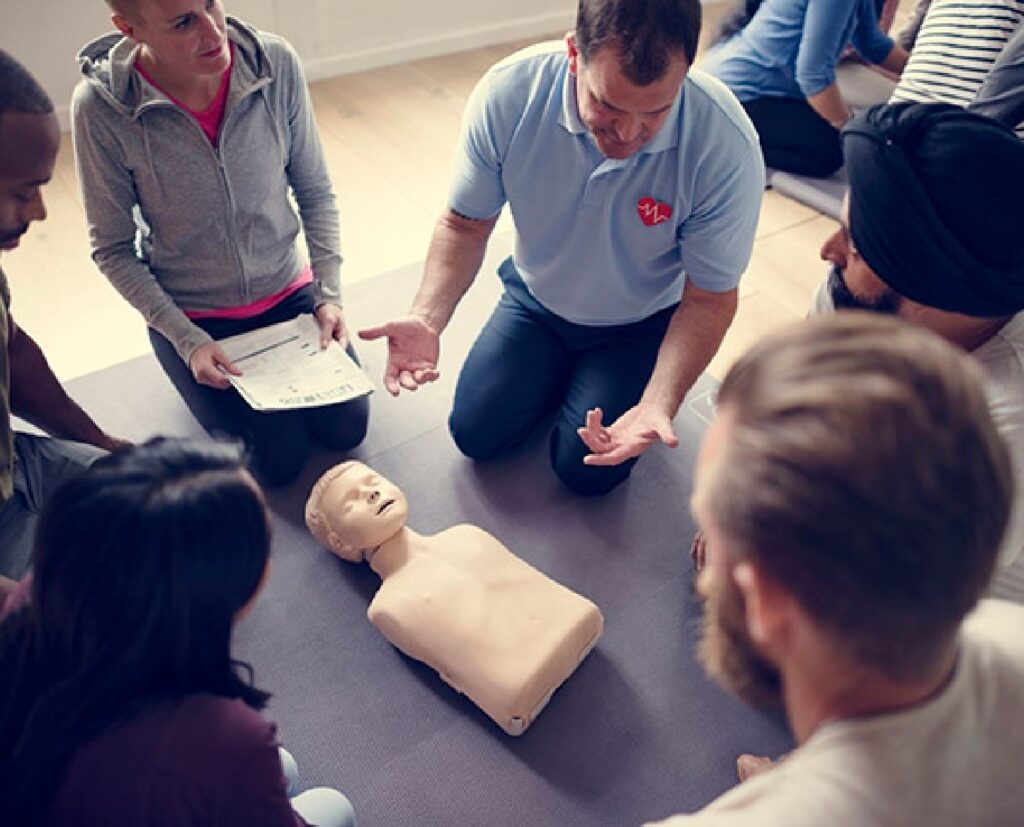
The Emergency course covers:
The General course includes these topics and adds:
The duration is the most noticeable difference. Emergency First Aid is completed in a single day. General First Aid is longer and is often offered in a blended format, combining an online portion with an in-class session.
Recognition is just as important. The Emergency course meets the requirements of many employers and federally regulated organizations. If your workplace is governed by specific rules, check your requirements first. In Quebec, the training and renewal of workplace first aid attendants are regulated by the CNESST, which requires certificate renewal every 3 years.
| Your Situation | What It Means | What to Do |
| You have limited time | You want to learn life-saving skills quickly | Choose Emergency First Aid |
| You care for children or loved ones | You may face a variety of emergencies | Choose General First Aid |
| Your job requires it | A specific standard applies | Confirm the required certification |
| You are starting from scratch | You want a solid foundation | General First Aid provides the broadest coverage |
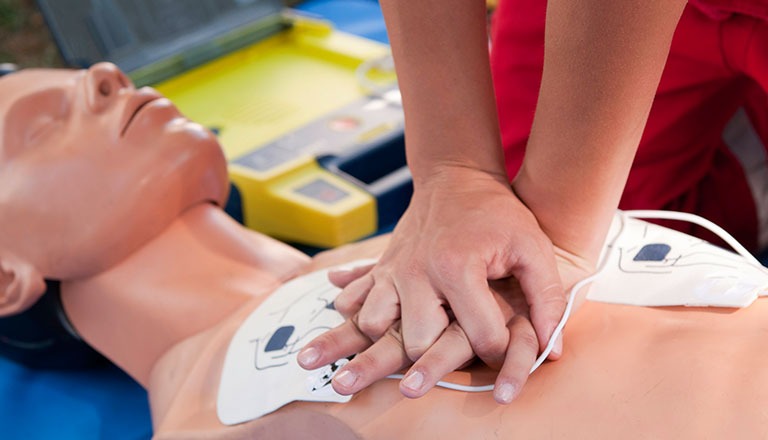
Start with your actual needs. If you want to respond quickly to a life-threatening emergency, the Emergency course is more than enough. For broader preparation at home, with your family, or in a position of responsibility, the General course is the better option. If you are unsure, confirm your employer’s or industry’s requirements before registering. Our team can help you make the right choice.
There is no wrong choice, only the one that matches your reality. Emergency First Aid quickly equips you with the essential skills, while General First Aid prepares you for a wider range of situations. In both cases, you will leave ready to act calmly when every minute counts.
If you are still unsure which course to choose, our team can guide you according to your situation and direct you toward the course that best meets your needs.
Contact us if you have any questions about our training courses.
Yes. Emergency First Aid teaches cardiopulmonary resuscitation (CPR) and the use of an Automated External Defibrillator (AED). You will also practice airway clearance techniques and the recovery position, useful skills both at home and at work.
Yes. Many people start with the Emergency course and later take the General course as their needs evolve. The skills already learned remain relevant and make it easier to understand the additional concepts covered in the more comprehensive training, without having to start over.
The General course is often preferred because it covers more everyday situations, such as falls, injuries, and sudden illnesses. The Emergency course remains an excellent starting point if you have limited time.
That depends on your industry and the applicable standards. Some workplaces require a specific certification. Always verify the required qualification with your employer before registering to avoid having to retake a course that may not be recognized.
For workplace first aid, the certificate is generally renewed every 3 years. Be sure to note the expiration date and plan your renewal in advance to keep your skills up to date.



