Anxiety and its consequences: a practical guide to taking action
Le 2026-03-21

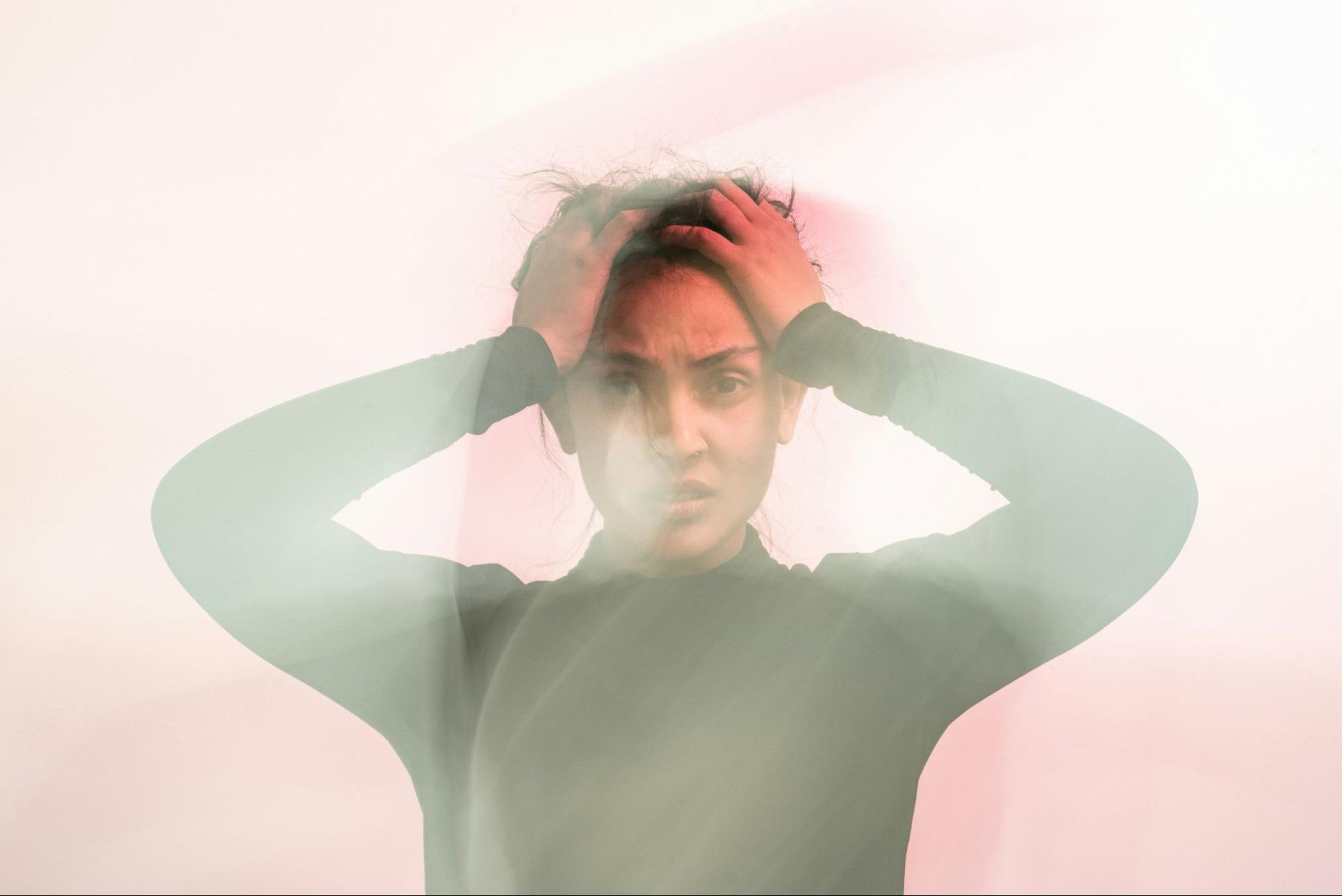
Anxiety is not only in the mind. When it sets in, your body reacts as if facing danger: it releases stress hormones that speed up the heart, tighten muscles, and put the digestive system on hold.
In the short term, this is a useful reaction. But when this alert lasts for weeks or months, the consequences become visible. The body remains in “fight or flight” mode for a prolonged period, gradually exhausting your physical and mental resources.
Data from Statistics Québec show that 15% of adult Quebecers live with a diagnosed anxiety disorder in 2024. Among women, this figure reaches 20%, compared to 10% among men.
The most common physical symptoms include:
These manifestations are not imaginary. They reflect a prolonged state of alert that gradually wears down the body.
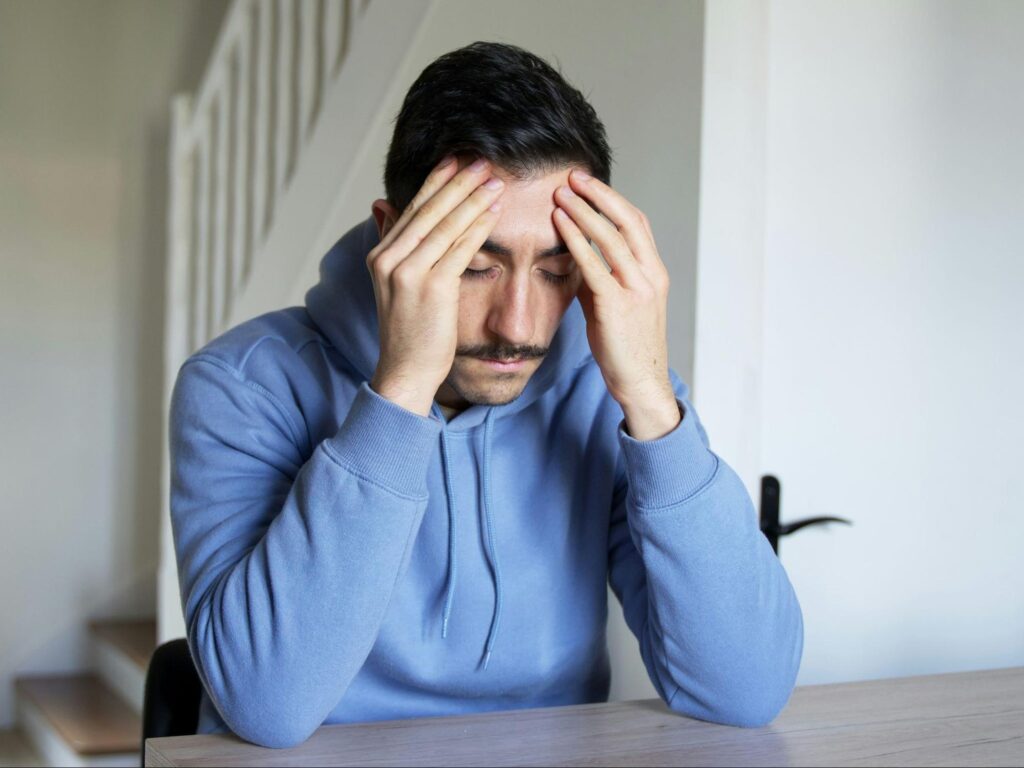
Everyone experiences anxiety at certain times. The difference between temporary worry and a problem that requires attention lies in three elements: duration, intensity, and impact on your daily life.
When anxiety persists for more than a few weeks, when it prevents you from functioning normally, or when physical symptoms become overwhelming, it is a sign that your body needs support.
According to the World Health Organization, anxiety disorders are among the most common mental health issues, but also among the most treatable. Recognizing the signs early makes all the difference.
The first reaction to anxiety is often to minimize what you feel. Telling yourself “it’s just stress” or “it will pass” delays proper care and allows symptoms to settle in. Chronic anxiety deserves as much attention as a physical issue. Waiting without taking action rarely leads to improvement; on the contrary, symptoms tend to worsen over time.
Another common trap is trying to escape discomfort. Isolating yourself, avoiding certain situations, or coping with alcohol and screens may feel relieving in the moment. But these strategies disrupt sleep, reduce social contact, and worsen anxiety in the medium term. The longer you wait, the longer the path back to well-being can be.

You don’t need to wait for a diagnosis to take care of yourself. Some simple actions can reduce the intensity of symptoms starting today.
Move regularly helps release accumulated stress hormones. The Government of Québec recommends at least 150 minutes of physical activity per week for adults, which is about 30 minutes per day, five days a week.
Maintain a sleep routine to stabilize mood and improve stress management. Going to bed and waking up at consistent times, even on weekends, makes a real difference.
Limit caffeine and alcohol reduces nervous system activation. These substances can amplify anxiety symptoms in sensitive individuals.
Talk about what you are going through with someone you trust reduces feelings of isolation and helps you gain perspective.
When these actions are not enough or when the impact on your daily life persists, professional support helps you go further and regain lasting balance.
Taking care of your mental health daily reduces the risk of anxiety taking hold or worsening. It starts with identifying your sources of stress. Sometimes, simple adjustments in work or personal life organization are enough to reduce pressure. Learning to recognize your personal warning signs — such as shoulder tension, irritability, or difficulty concentrating — helps you act before the situation escalates.
Building social connections also plays an important protective role. Quality relationships with family and friends are a recognized protective factor for mental health. Maintaining these connections, even briefly, contributes to well-being and helps you get through more difficult periods.
Anxiety is a signal, not a fate. It indicates that something in your life requires attention, whether it’s your work pace, a relationship situation, or simply the need to take care of yourself differently.
The good news is that anxiety disorders can be treated effectively. With proper support, the vast majority of people regain a satisfying quality of life. The first step is simply recognizing that you deserve to feel better.
For more information about what our team can do to help you with first aid and CPR training, contact us!
Yes. Prolonged anxiety keeps the body in a constant state of alert, which can lead to muscle tension, digestive issues, sleep problems, and chronic fatigue. These physical symptoms are very real.
If your symptoms persist for several weeks, interfere with your work or relationships, or cause significant distress, a professional consultation is recommended to assess the situation.
Temporary anxiety related to a specific event usually resolves on its own. However, an established anxiety disorder tends to persist or worsen without intervention. Proper support significantly speeds up recovery.
Several options exist depending on the situation: stress management techniques, psychotherapy, lifestyle adjustments, and sometimes medication. A professional can help determine the most appropriate approach for your needs.
According to Statistics Québec, women are twice as likely as men to be diagnosed with an anxiety disorder. Young adults also show higher rates. However, anxiety can affect anyone.



