Hygiene and disease: how to reduce infections
Le 2026-02-18


Each fall and winter, respiratory viruses like the flu circulate more actively in our communities. Are you wondering how to protect your family and your employees without getting lost in complicated protocols?
This article explains essential hygiene practices to reduce the risks of transmissible illnesses. You will discover simple and effective actions, supported by recommendations from Health Canada and the World Health Organization.
No medical jargon — just what you need to know to act starting today.
Infections like the flu spread through droplets (coughing, sneezing), contact with contaminated surfaces, and through the air in poorly ventilated enclosed spaces. You catch an infection by touching a contaminated surface then your face.
This is why hand hygiene is crucial.
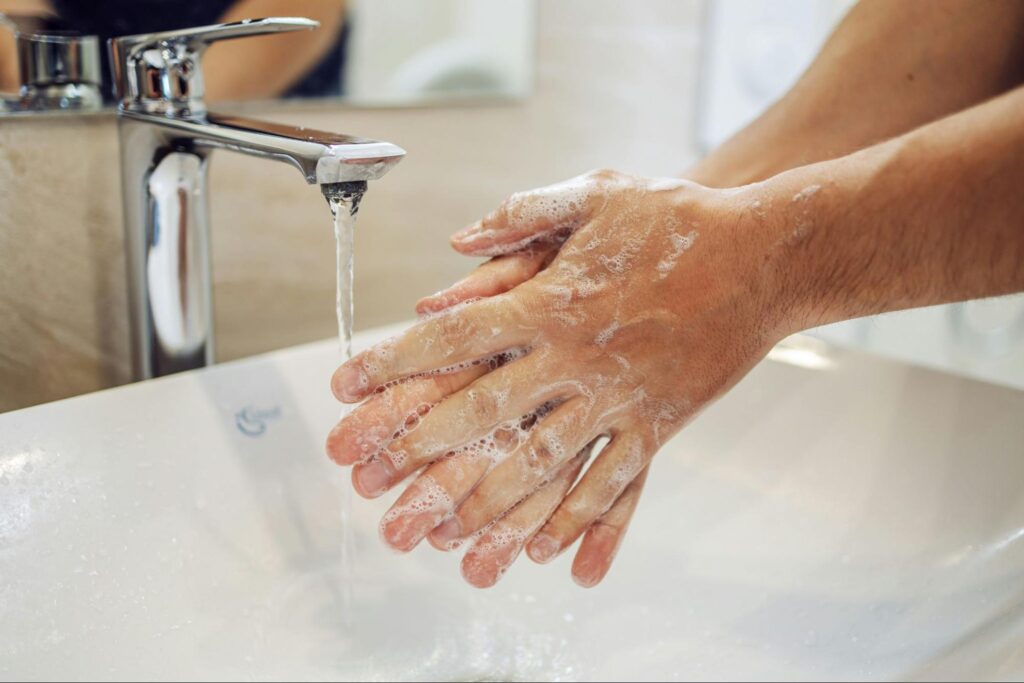
Your hands touch your face several times per hour. Hand washing with soap physically removes microorganisms and reduces respiratory infections.
Wash your hands for at least 20 seconds. Rub all surfaces: palms, backs of hands, between fingers, thumbs, and under nails. Without a sink, use a sanitizer containing at least 60% alcohol.
Critical moments: before eating, after using the toilet, after coughing or sneezing, and after touching public surfaces.
Wearing a mask protects people around you if you are sick. Public health authorities recommend wearing a mask when you have respiratory symptoms, in enclosed public places during periods of high viral circulation, and when visiting vulnerable individuals.
Medical masks offer the best protection. The mask must cover nose and mouth completely.
Get vaccinated against the flu every fall.
| Situation | What it means | What to do |
| Fever and cough | You are contagious | Stay home, wear a mask if going out is necessary |
| Sick colleague at the office | Risk of transmission | Increase ventilation, keep your distance |
| Flu season (October–March) | Increased virus circulation | Get vaccinated, strengthen your hygiene |

Establish a hand hygiene routine and place sanitizers in strategic locations. If you manage a business, ensure access to washing facilities.
Adopt these simple habits daily: avoid handshakes during flu season, clean shared surfaces daily, and teach good habits to children.
Maintain a healthy lifestyle. Adequate sleep, balanced nutrition, and physical activity strengthen your immune system. Learn about vaccination from your pharmacist and stay vigilant from October to March.
Hygiene practices protect vulnerable people (seniors, young children, people with chronic illnesses). These simple measures require consistency. Every hand washed, every mask worn at the right time helps reduce virus circulation in your community.
Do you want to train your team on hygiene and prevention best practices? Our team can support you.
Contact Impact Santé for tailored support.
No. Sanitizer is convenient without a sink, but soap remains superior, especially on dirty hands. It is a complement, not a replacement.
From a few hours to a few days depending on the surface. Hard surfaces retain viruses longer. Clean regularly.
Vaccination reduces complications but does not guarantee complete protection. Wear a mask if you have symptoms or are near vulnerable people.
Never before age 2. Ages 2–5 can wear one under supervision. After age 5, same recommendations as adults.
Consult for breathing difficulties, persistent high fever, confusion, or chest pain. People at risk should consult quickly.



