Seasonal allergies: how to recognize and manage them
Le 2026-04-16


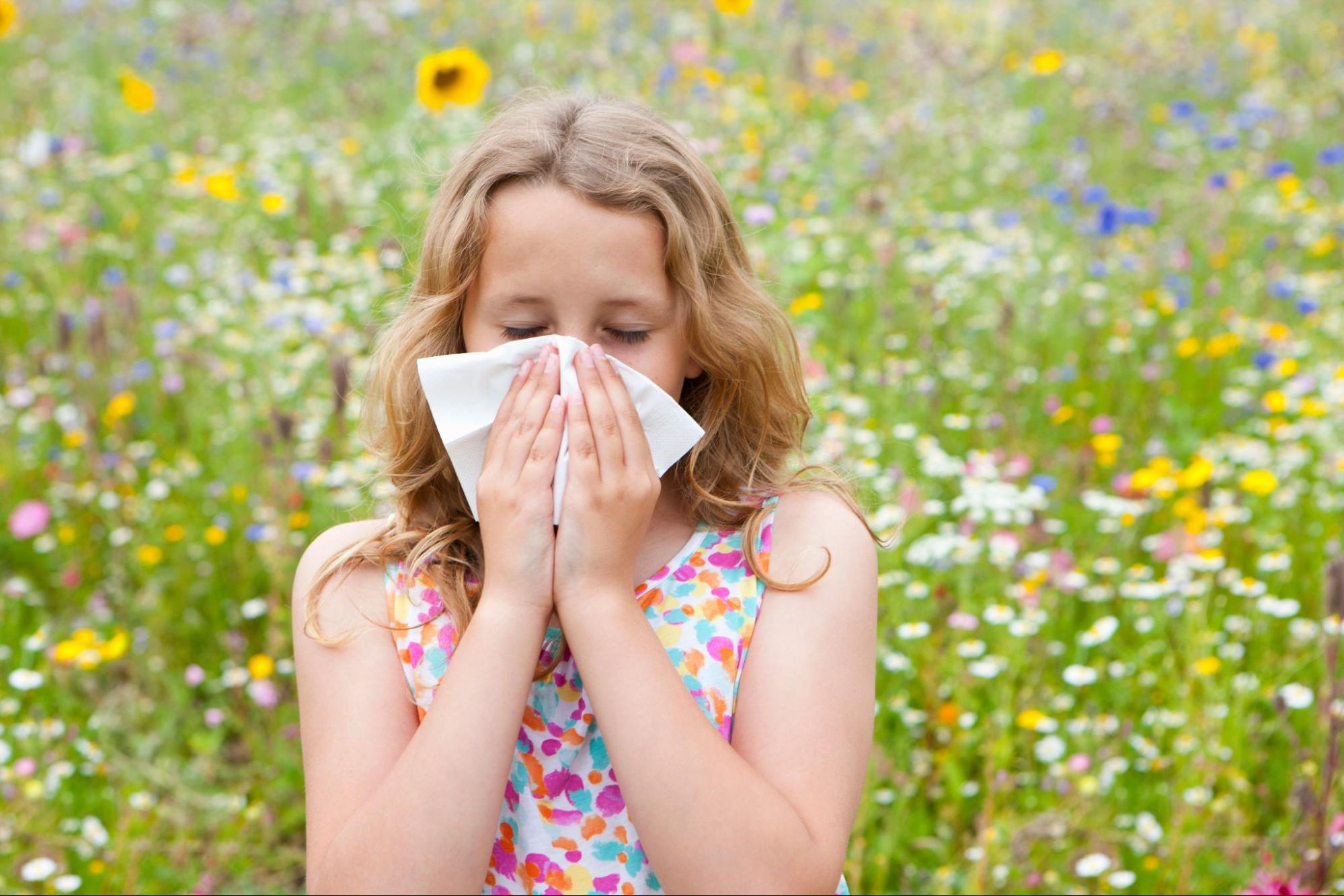
Every spring and fall, millions of Canadians experience the same symptoms: runny nose, repeated sneezing, itchy eyes. These signs disrupt sleep, reduce concentration, and affect quality of life. Seasonal allergies are not inevitable. This article helps you understand what’s happening in your body, recognize triggers, and adopt the right habits to get through this period more comfortably.
Your immune system sometimes reacts excessively to substances present in the air: tree pollen, grasses, ragweed. This is called a seasonal allergy.
Your body treats these particles as a threat. It releases histamine, a chemical that causes inflammation and irritation.
This reaction leads to the symptoms you experience. Seasonal allergies differ from colds: they do not cause fever, last for several weeks, and return each year at the same time.
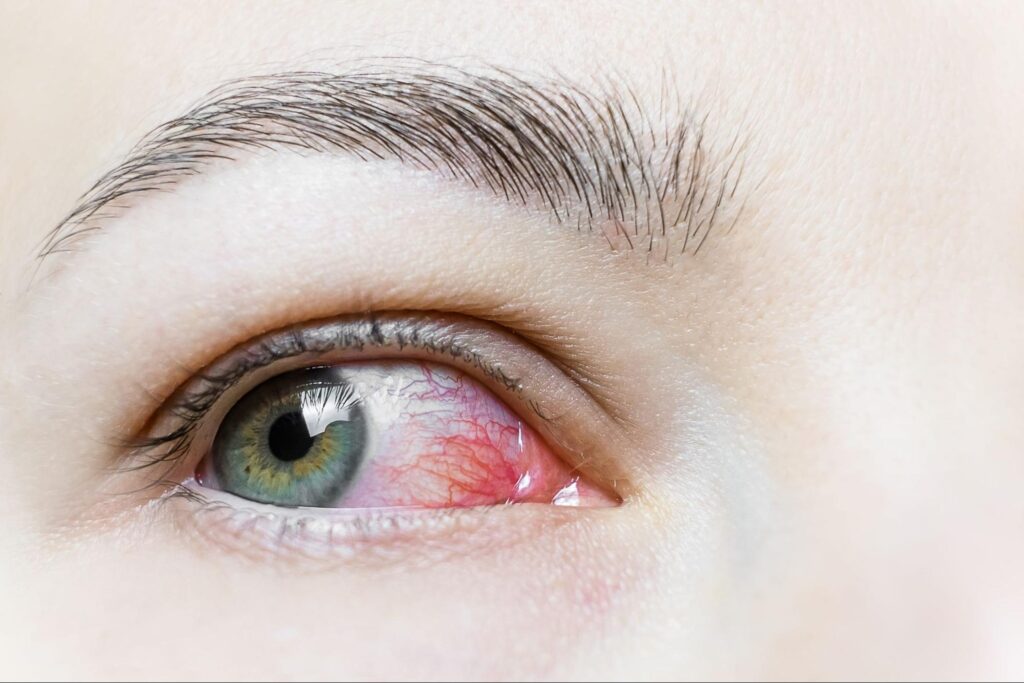
Symptoms vary from person to person. Here are the most common:
Intensity varies. Some people feel mild discomfort, while others experience disrupted sleep and daily activities.
Unlike a cold, these symptoms generally do not include fever or body aches. About 20 to 25% of Canadians suffer from allergic rhinitis.
In Quebec, two periods are problematic.
Spring (April to June): Tree pollen dominates. Birch, oak, and maple release their highest concentrations early in the morning and late in the day.
Summer and fall (August to October): Ragweed takes over. This plant affects about one in six people in the province.
Windy and dry days spread pollen more widely. Rain provides temporary relief.
| Situation | What it means | What to do |
| Mild and occasional symptoms | Limited pollen exposure | Rinse your face, close windows |
| Daily symptoms for several weeks | Likely seasonal allergy | Consult for a diagnosis |
| Symptoms affecting sleep or work | Moderate to severe reaction | Consider medical treatment |
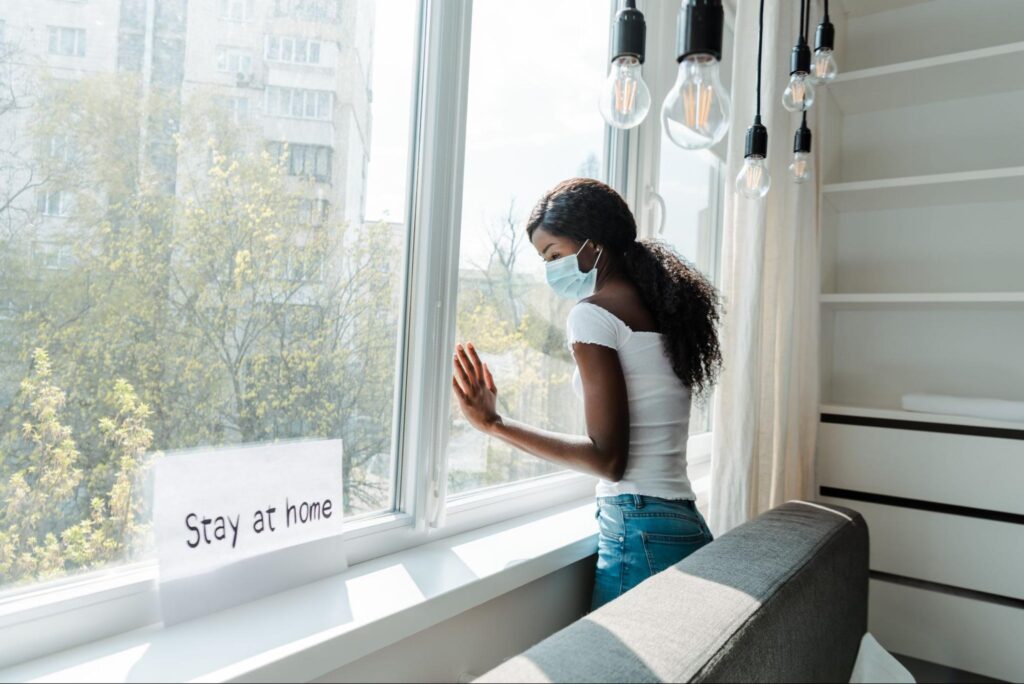
Many people think that staying indoors is enough to avoid allergies, but pollen easily gets in through windows, on clothes, and in hair. Ignoring pollen forecasts before going out exposes you unnecessarily to peak levels and worsens symptoms. Drying laundry outside during high pollen periods allows allergenic particles to stick to fabrics, which you then wear directly on your skin.
Taking antihistamines without reading side effects can cause drowsiness or unwanted drug interactions. Waiting until symptoms become unbearable before consulting a professional complicates treatment and prolongs discomfort, whereas early intervention could prevent this escalation.
Simple habits can reduce your symptoms. Check daily pollen indexes on weather websites to plan your activities and keep windows closed during peak pollen times. After each outing, rinse your face and hair, then change clothes when you get home to remove allergenic particles.
To better manage pollen allergies, note when your symptoms appear to identify your specific triggers. Use an air purifier with a HEPA filter in main rooms of your home and avoid outdoor activities early in the morning or in the evening, when pollen concentrations are usually higher.
If your symptoms persist despite these measures, a healthcare professional may prescribe antihistamines, nasal corticosteroids, or immunotherapy treatments for more effective relief.
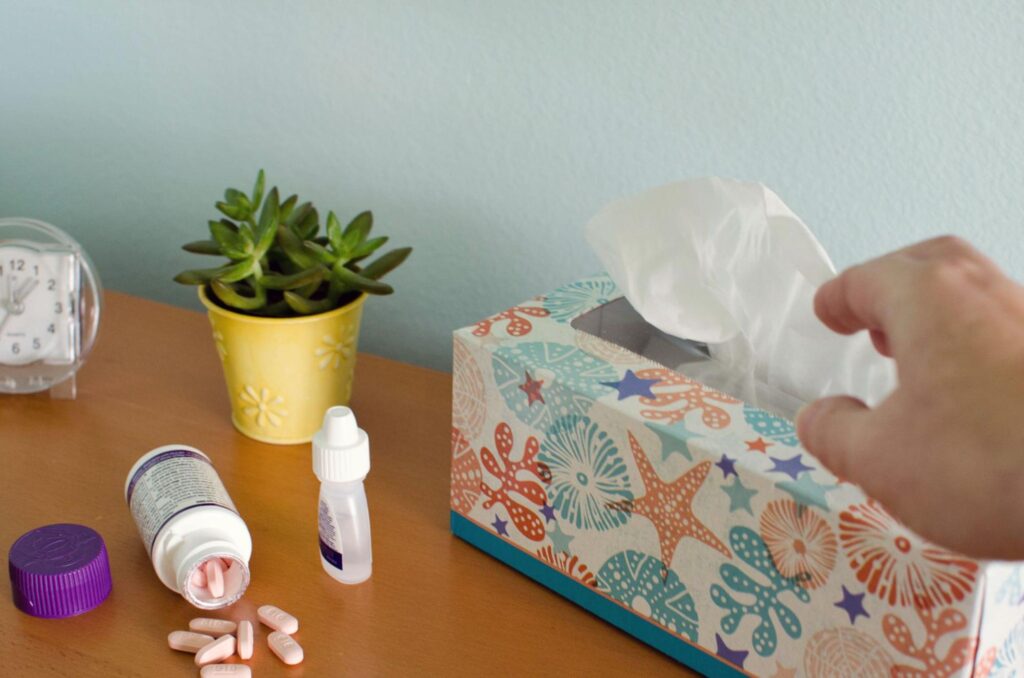
Prepare before the season begins to reduce the impact of symptoms. Start preventive treatment two weeks before the season if your doctor recommends it, as this proactive approach can significantly reduce the intensity of allergic reactions. Clean ventilation and air conditioning filters regularly to prevent allergen circulation in your home.
Wear sunglasses when going outside to protect your eyes from pollen and wash your sheets weekly in hot water to remove allergens accumulated overnight. These simple actions reduce your daily exposure and improve comfort throughout allergy season.
Seasonal allergies should not dictate your daily life. Understanding your triggers, adopting preventive habits, and consulting at the right time allows you to enjoy spring and fall.
Acting early and staying attentive to the signals from your body makes a real difference.
If you want to gain first aid skills to better respond in emergencies, our team can guide you toward training suited to your needs.
Contact us to learn more.
Yes. They can develop at any age, even without prior history. Environmental or hormonal changes can sometimes trigger a new sensitivity to pollen in adults.
Most are, but some cause drowsiness. Read labels carefully and consult a pharmacist to choose the right option for your daily needs.
No scientific study confirms this popular belief. The pollen in honey comes from flowers, not from the plants responsible for seasonal allergies like ragweed or grasses.
No. Plan outings after rain or in the middle of the day, when pollen concentrations are lower. You can still enjoy the outdoors wisely.
Yes. Repeated exposure without management can worsen symptoms and increase the risk of developing allergic asthma. Early medical follow-up improves long-term outcomes.



